
How to Create a Wildlife-Friendly Garden
You’ll no doubt already be aware that it’s a worrying time for our native wildlife here in the UK. Ever-expanding urbanisation is steadily eating away at our countryside and green spaces. Concrete and tarmac is replacing wildflowers. Houses are replacing natural habitats, hideouts and hunting grounds. Animal and insect numbers are declining.
But we can all play a small part in reducing the impact we are having on our local eco-system, by making our gardens more friendly, safe and inviting to wildlife. And the good news is it’s probably not as tricky as you might think.
Contents: How to Create a Wildlife-Friendly Garden
The Birds & The Bees
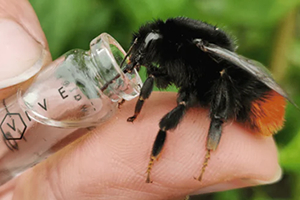
Bees have an incredibly important role to play in nature. They are the tireless and unassuming workforce which help to keep our plants and trees thriving. But their numbers are in serious decline, due in part to the loss of most of the country’s wildflower meadows.
They also play a key role in the production of much of our food. No, I’m not saying they work nights filling tins of beans for Heinz, but if it weren’t for bees pollenating our crops and fruit trees, we’d all find ourselves much hungrier.
So, we need bees as much as bees need us at the moment.
The easiest way for us to offer our support is simply by planting more flowers. Even if you only have a small garden or balcony, a few pots or window boxes will all make a difference.
The best plants for bees are those with single flowers, as double-flowered plants (those with two sets of petals) make it trickier for bees to access their pollen. Tubular flowers, such as Snapdragons, are ideal for long-tongued species of bees. And you can’t go wrong with purple flowers, as this is the colour bees are most drawn towards.
Flowers For All Seasons
You may be as surprised as I was to read that some bee species remain active throughout winter, especially in urban areas and warmer parts of the country. So, aim to include a few varieties of winter-flowering plants in your garden, if you can, to make life a little easier for these guys.
Seasonal flowers to keep bees and other pollinators happy all year round:
- Winter: Mahonia, Winter Honeysuckle, Snowdrops, Cyclamen
- Spring & early summer: Crocus, Bluebell, Forget-Me-Not, Rhododendron
- Late summer: Snapdragon, Hollyhock, Foxglove, Campanula
- Autumn: Aster, Heather, Globe Thistle, Penstemon
This list is by no means exhaustive. The links below provide even more bee-friendly suggestions:
- Gardeners World: Plants for Bees
- Gardeners World: Best Winter-Flowering Plants
- Jacksons Nurseries: Wildlife Attracting Plants
As well as having areas of your garden dedicated to carefully selected plants and flowers, it will also be hugely beneficial to leave a small area to grow completely wild. Avoid cutting your lawn for a few months in this spot, and just let nature do its own thing.
Get Your Nuts Out
Of course, it’s not all about the bees. Another simple way to make your garden more welcoming to the local wildlife is to provide plenty of enticing food for birds.
Fat balls. Not an insult, merely a suggestion.
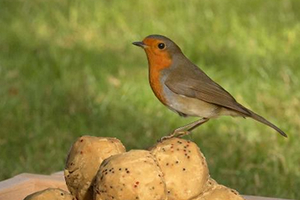
Usually made using lard or suet fat and tightly packed with a mixture of nuts, cereals and seeds, fat balls are an ideal source of energy and nutrition for our feathered friends. This is especially important during the winter months when food may be harder to find.
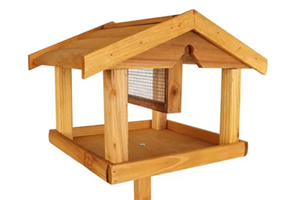
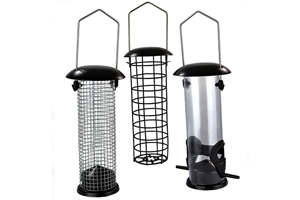
Try to place these and other loose seeds within mesh or caged feeders to prevent larger birds or squirrels from greedily stealing everything. You can keep these guys happy instead by leaving larger pieces of food on a sturdy bird table.
Hedgehog Haven
Considering their slow and gentle nature, hedgehogs can cover surprisingly large areas, often walking around a mile in a single night. That’s more than I manage in total some weekends!
But their ideal pathways will often be blocked by our garden walls and fences.
We can all play our part in making their journeys a little easier though. Join forces with your neighbours to create a ‘hedgehog highway’. This involves cutting a small hole at the bottom of one of your fence panels, or removing a brick from the bottom of your garden wall, allowing just enough space to squeeze through.
You’ll find a detailed guide on the best way to achieve this by following the link below:
Supper Time
Try to keep some areas of your lawn cut short, as this will make it easier for hedgehogs to forage for tasty midnight snacks.
You could also try leaving a small dish of food out at night as a supplementary treat for any visiting hedgehogs. Cat biscuits will be suitable, as will any meat-based wet cat or dog food, but specially made hedgehog food is now becoming more readily available to buy:
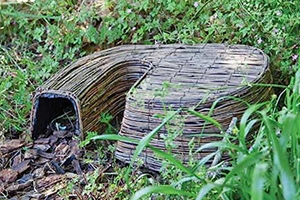
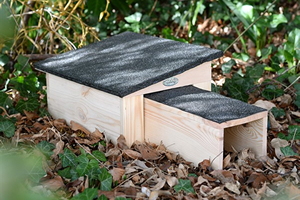
Providing suitable shelter will also be greatly appreciated and may even encourage a hedgehog to set up home in your garden. This could be in the form of a pile of wood or sticks left undisturbed in a quiet corner, or a purpose made hedgehog house, like the ones shown below.

Water, Water Everywhere
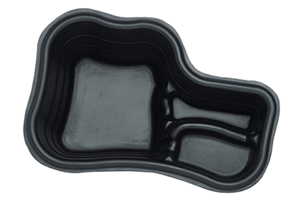
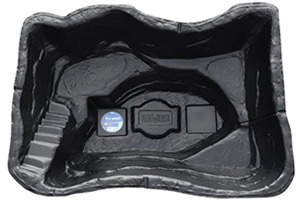
Adding a pond to your garden is another fairly simple way of attracting more wildlife, especially when you consider that size is not important. A small one can be just as good as a larger one, if you do it well. Even a pond in a pot will do if you’re tight for space.
Wildlife ponds should not be confused with fish ponds. Fish are likely to eat a lot of the wildlife you’ll be hoping to attract, so it is best to treat them as separate entities.
Small ponds are ideal for attracting frogs and water insects to your garden. You will need to include a mixture of suitable plants and should ideally position your pond where it will benefit from a mix of direct sunlight and shaded areas.
Too much direct sunlight will lead to a rapid growth in algae, whereas too much shade may leave the water too cold for the wildlife that you’re hoping to attract, so it’s important to get the balance right.
You should also make sure that you pond has at least one gently sloping edge. This will help any animals that may accidentally fall in to easily climb out again.
A thorough guide to creating your own wildlife pond can be found below:
If a pond is not viable for your garden, you can still help by adding a small water bath or dish for birds and other small mammals to drink from and bathe in. Keep it clean and topped up as squirrels, mice, foxes and hedgehogs will all appreciate a quick pitstop and a chance to freshen up!
The Best Exotic Insect Hotel
Swarms of insects and hotels is a combination not usually thought of as a positive thing. But we’re not talking about your typical fortnight in Benidorm here.
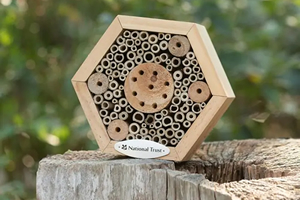
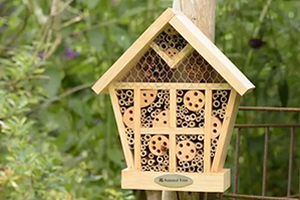
It’s one thing making these improvements to attract more wildlife to your garden, but to encourage them to stay you’ll also need to provide plenty of shelter. An insect hotel or two is an easy way of doing this, as they are designed to provide a cosy home for a variety of bugs of different shapes and sizes.
If you’re feeling adventurous and want to try building your own bug hotel, check out this excellent detailed step-by-step guide:
But if you don’t have the time or space for something homemade, the readymade options below will help you set up you own insect hotel empire in next to no time.
Relax & Enjoy
Not only will your new wildlife-friendly garden be a benefit to the surrounding nature, it should also be a tranquil place for you to relax and unwind.
Sit quietly, while enjoying a glass or two of wine, and hopefully you’ll be rewarded with visits from your local wildlife.
I’m fortunate enough to have a couple of robins living in my garden at the moment, who always come over to see what we’re doing. We also have multiple visits each day from squirrels – often two or three at a time. And most days we’ll even see a fox or two passing through, occasionally stopping to sunbath on the lawn.
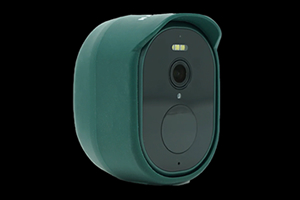
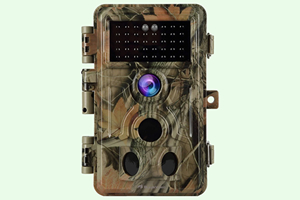
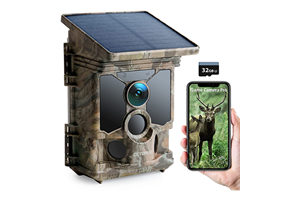
But if you really want to see the full extent of the wildlife enjoying your garden improvements, why not set up a camera? Wildlife cameras are designed to be robust, weather-resistant and motion-activated, so you shouldn’t need to scroll through an entire day or night of footage to see if you’ve caught any interesting visitors.